India's spiritual landscape is not something you observe from a distance; it is something you walk through, sit with, and slowly absorb [citation:8]. From ancient temple cities pulsating with devotion to serene Himalayan valleys offering quiet contemplation, these destinations invite you to experience something deeper—faith, tradition, and the timeless quest for meaning. Here are the must-visit spiritual destinations that deserve a place on your sacred travel journey.
Carefully curated destinations for every kind of travellers.
Top ratedThe eternal city of Lord Shiva—where life, death, and liberation converge
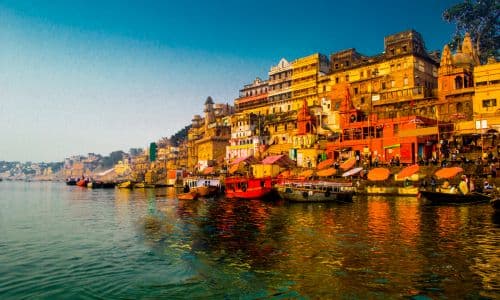
One of the oldest living cities in the world, Varanasi has been revered as the spiritual capital of India for thousands of years [citation:8]. The city's ancient ghats lining the sacred Ganges River have witnessed uninterrupted rituals, prayers, and cremation ceremonies since time immemorial. The evening Ganga Aarti at Dashashwamedh Ghat is a mesmerizing spectacle of fire, sound, and devotion that leaves visitors spellbound [citation:10]. In 2026, a new landmark has joined Varanasi's spiritual firmament—the Svarved Mahamandir, the world's largest meditation temple, a seven-story sandstone marvel that can accommodate 20,000 people for meditation [citation:9]. The city's narrow lanes, filled with temple bells, sacred chants, and the aroma of incense, create an atmosphere charged with spiritual intensity that has drawn seekers from across South Asia for millennia [citation:8].
Top ratedThe sacred birthplace of Lord Rama, reborn for a new era
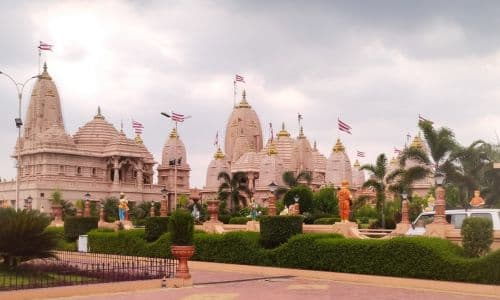
Ayodhya has entered a transformative new chapter in 2026 with the completion of the magnificent Ram Janmabhoomi Temple, a stunning structure crafted entirely from pink sandstone that serves as the spiritual center for Hindus worldwide [citation:9]. Unlike Varanasi's intense spiritual atmosphere, Ayodhya offers a gentler, more contemplative environment shaped by Ram bhakti (devotion) and the ideals of truth, duty, and righteousness [citation:8]. The city's identity has been shaped for millennia by the Ramayana narratives, which have influenced religious practices not only in India but across Thailand, Sri Lanka, and other parts of Asia [citation:8]. The serene ghats along the Sarayu River provide peaceful spaces for holy dips and ritual ceremonies, while festivals like Ram Navami transform the city into a vibrant yet tranquil center of devotion. With new hospitality developments including eco-conscious hotels, Ayodhya's spiritual tourism infrastructure has evolved dramatically to welcome millions of pilgrims [citation:4].
Top ratedThe Yoga Capital of the World—where adventure meets enlightenment
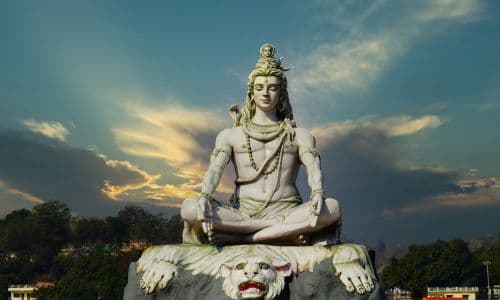
Nestled along the banks of the holy Ganges at the foothills of the Himalayas, Rishikesh offers a unique blend of spiritual seeking and outdoor adventure [citation:10]. Known globally as the Yoga Capital of the World, the town is dotted with ashrams and meditation centers where visitors can practice yoga, learn spiritual teachings, and immerse themselves in transformative practices. The evening Ganga Aarti at Triveni Ghat is deeply moving, with priests performing sacred rituals as oil lamps flicker against the darkening river [citation:10]. For adventure seekers, Rishikesh is equally renowned as India's white-water rafting capital, offering thrilling experiences for both beginners and experts, along with India's highest bungee jumping point. The town's pleasant weather in March makes it ideal for riverside walks, meditation, or simply soaking in the magnificent Himalayan views. Rishikesh represents the perfect synthesis of adrenaline and tranquility, proving that spiritual exploration need not be sedentary [citation:10].
Top ratedThe land of Lord Krishna's divine play and eternal love
Mathura and Vrindavan stand as two of India's most revered spiritual destinations, intimately connected with the life and legends of Lord Krishna [citation:10]. Mathura, the birthplace of Krishna, pulses with devotional energy, while Vrindavan—where Krishna spent his childhood—is dotted with hundreds of temples, each with its own story of divine love. The region's spiritual atmosphere is enriched by priests and locals who narrate the tales of Krishna's Ras-Leela, bringing ancient scriptures to life [citation:10]. Beyond the temples, the area bursts with vibrant cultural traditions including folk dances and religious music that have been preserved for centuries. While the region becomes exuberant during Holi celebrations, the post-festival period offers a more serene atmosphere for contemplative exploration. The twin cities provide an affordable spiritual journey, with numerous budget accommodations and eateries serving traditional vegetarian cuisine [citation:10].
Top ratedWhere the Buddha attained enlightenment under the Bodhi tree
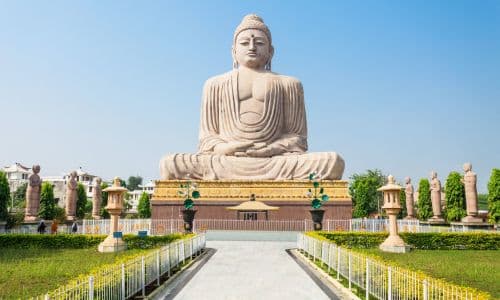
Bodh Gaya stands as the most sacred site in Buddhism, marking the place where Prince Siddhartha attained enlightenment beneath the Bodhi tree to become the Buddha over 2,500 years ago. The magnificent Mahabodhi Temple complex, a UNESCO World Heritage site, rises above the descendant of the original Bodhi tree, drawing pilgrims from across Asia and the world [citation:9]. In 2026, the spiritual landscape of the region has been enhanced with new developments including the Buddha Samyak Darshan Stupa in nearby Vaishali, a majestic stone structure enshrining Buddha relics [citation:9]. Bodh Gaya remains the best place for souvenir shopping among pilgrimage sites, offering opportunities to bargain for fabrics and religious artifacts—though wise travelers check online prices before purchasing [citation:9]. The Thai temple in the city provides exceptionally clean facilities and serves as a welcoming oasis for international visitors. For those crossing into Nepal, purchasing a roaming package beforehand ensures continuous connectivity across the border [citation:9].
Top ratedThe eternal abode of Sai Baba, where faith transcends boundaries
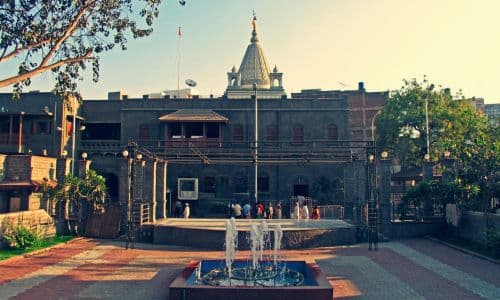
Shirdi has emerged as a premier pilgrimage destination, attracting over 25 million devotees annually from across India and the world [citation:3]. The town, associated with the beloved saint Sai Baba, has undergone remarkable transformation in 2026 with new luxury hospitality developments that cater to the growing number of domestic and international travelers seeking spiritual experiences [citation:3]. A strategic partnership between Assotech Realty and Atmosphere Core has brought an all-suite hotel with 160 premium accommodations, each measuring 45 square meters, representing an investment of approximately INR 200 crore [citation:3]. This development reflects a broader trend of temple towns embracing contemporary tourism models while preserving their spiritual essence. Shirdi now attracts significant numbers of NRIs and high-net-worth individuals from North America, Europe, the Middle East, and Southeast Asia who seek extended, comfortable stays alongside cultural and religious exploration [citation:3]. With improved road connectivity, regional airport access, and upgraded urban infrastructure, Shirdi exemplifies how spiritual destinations can evolve to meet modern traveler expectations without compromising their sacred character [citation:3].
Top ratedThe Golden Temple—a radiant symbol of equality and divine grace
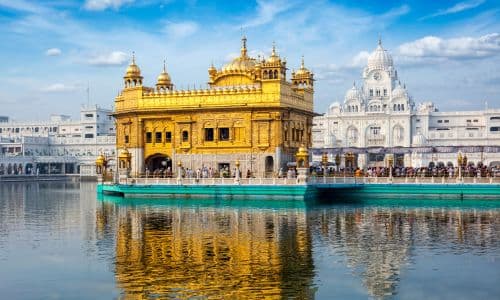
Home to the Harmandir Sahib, or Golden Temple, Amritsar represents the spiritual and cultural heart of Sikhism. The temple's gleaming golden dome, reflected in the surrounding sacred pool (Sarovar), creates an image of transcendent beauty that draws millions of pilgrims regardless of faith or background. The temple complex embodies the Sikh principle of equality, with four doors symbolizing openness to all people and the world's largest free community kitchen (langar) serving over 100,000 meals daily to visitors without distinction. The spiritual atmosphere intensifies during the evening Palki Sahib ceremony, when the Guru Granth Sahib is ceremonially carried to its resting place. The temple's golden façade, illuminated against the night sky, creates a vision of divine grace that has inspired poets, artists, and seekers for centuries. Amritsar's spiritual significance extends beyond its golden dome to include the Jallianwala Bagh memorial and the border ceremony at Wagah, making it a complete pilgrimage experience.
Top ratedWhere the divine meets the ocean—home of the Jagannath Temple
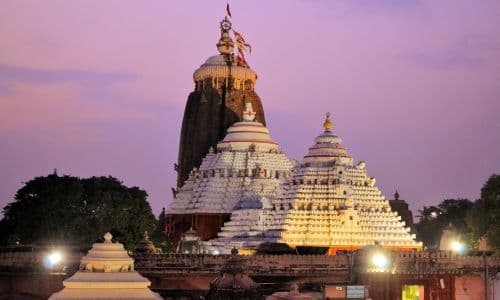
Puri stands as one of the four sacred Char Dham pilgrimage sites, drawing millions to its legendary Jagannath Temple dedicated to Lord Krishna in his form as Lord of the Universe. The temple's towering structure and intricate carvings represent the pinnacle of Kalingan architecture, while its annual Rath Yatra festival sees the massive deities carried through the streets on towering chariots in a spectacle that has captivated devotees for centuries. Beyond the temple, Puri offers the unique experience of spiritual practice beside the Bay of Bengal, with the golden sands providing space for meditation and ritual bathing. The town's transformation into a structured tourism hub continues in 2026, with major hospitality brands expanding their presence to serve the growing number of pilgrims [citation:3]. The sacred mathas (monasteries) scattered throughout the town preserve ancient traditions of learning and devotion. Puri's affordability and accessibility make it an ideal destination for pilgrims seeking both spiritual merit and the simple pleasure of watching sunrise over the sacred ocean.
Top ratedWhere spirituality meets untouched coastal beauty
Gokarna has emerged in 2026 as the perfect spiritual alternative to Goa's commercialized beaches, offering a raw and unspoiled coastal experience where ancient temples meet pristine shores [citation:2][citation:5][citation:7]. The town's spiritual heritage centers on the Mahabaleshwar Temple, home to a revered Atmalinga, drawing pilgrims who perform rituals before bathing in the sacred waters where the Gangavali River meets the Arabian Sea. Beyond its spiritual core, Gokarna's rugged cliffs and secluded beaches—accessible only by forest trails—attract travelers seeking a holistic, wellness-centered vacation [citation:2]. The town's growing yoga retreat culture and peaceful atmosphere create an ideal environment for relaxation, self-discovery, and the tranquility of nature [citation:7]. Gokarna represents the intersection of devotion and natural beauty, where travelers can experience the profound without sacrificing the simple pleasures of sea and sand.
Top ratedA Himalayan desert where ancient Buddhism thrives in isolation
For those seeking spirituality through adventure and raw natural beauty, Spiti Valley in Himachal Pradesh offers a transcendent experience unlike any other [citation:2][citation:7]. This high-altitude Himalayan desert, accessible only during limited months, is home to centuries-old Buddhist monasteries that seem to grow from the mountains themselves. Key Monastery, perched dramatically on a hilltop, and Tabo Monastery—often called the 'Ajanta of the Himalayas' for its ancient murals—offer visitors unparalleled serenity and seclusion amid snow-dusted peaks [citation:2][citation:7]. In winter, the valley transforms into a surreal, almost otherworldly landscape that captivates those brave enough to embrace its chill [citation:5]. With improved infrastructure making this remote region more accessible, Spiti now welcomes spiritual seekers who understand that sometimes the longest journeys lead to the deepest discoveries. The valley's untouched landscapes and tranquil isolation create the perfect conditions for meditation, reflection, and connection with traditions that have remained unchanged for a thousand years.