FareFirstFareFirst
  • support
  • FlightsFlights
  • HotelsHotels
  • CarsCars
FareFirst Logo

Helps you find the cheapest flight deals to any destination with ease.

Browse through the best hotels and find exclusive deals.

About
About UsAndroid AppiOS AppBlog
Explore
FlightsHotelsCarsMobile App
More
Customer SupportTerms of UsePrivacy PolicyRefund PolicyShipping &Delivery Policy
© 2018-2026 Amahop Technologies Pvt. Ltd. All rights reserved.
Heritage Destinations

Heritage Destinations

India's heritage is not something you see in a few hours; it is something you walk through, sit with, and slowly understand. From ancient temples and royal cities to timeless monuments, these UNESCO World Heritage Sites and cultural treasures are not just tourist attractions—they are living stories of India's civilization, artistic brilliance, and spiritual depth. Here are the must-visit heritage destinations that deserve a place on your travel bucket list.

Discover Your Perfect Heritage Destinations

Carefully curated destinations for every kind of travellers.

Taj MahalTop rated
1

Taj Mahal

The epitome of love and Mughal architecture

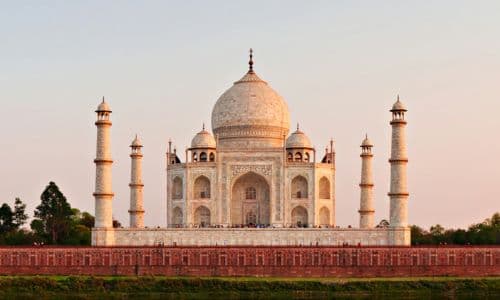
India's most famous UNESCO site and one of the New Seven Wonders of the World, the Taj Mahal is Emperor Shah Jahan's epic monument to love, built in memory of his wife Mumtaz Mahal. This white marble masterpiece represents love, symmetry, and perfection. The monument looks different at sunrise, sunset, and under moonlight, making every visit unique. The marble inlay work, Mughal gardens, and Yamuna river view are unforgettable highlights.

VaranasiTop rated
2

Varanasi

Culture that never stopped—the spiritual soul of India

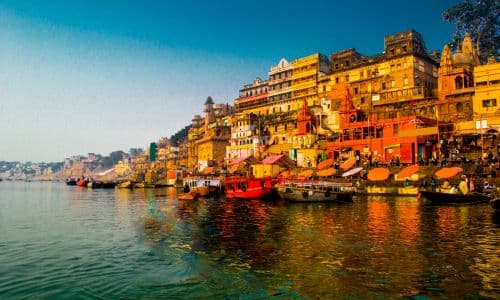
One of the oldest continuously inhabited cities on Earth, Varanasi is not preserved; it continues. Life, death, prayer, and routine exist side by side on the ghats (steps leading to the river). The city is intense, spiritual, and deeply moving. If a heritage place feels too polished, it often hides reality; Varanasi does the opposite, and that honesty makes it one of the best places in India for cultural travel. Witness the spectacular Ganga Aarti at Dashashwamedh Ghat and take a sunrise boat ride to experience the city's rituals from a respectful distance.

Jaipur CityTop rated
3

Jaipur City

A city designed with thought—the Pink City

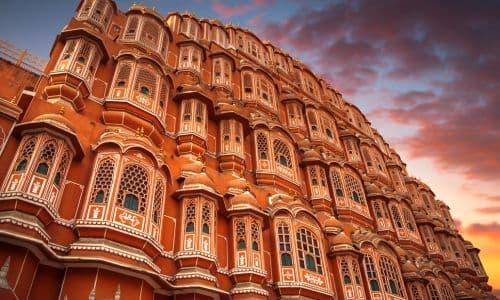
Jaipur is often reduced to colour and palaces, but its real heritage lies in planning. Founded in 1727, it was India's first planned city, with defined streets, water systems, and public spaces. The entire old quarter was painted pink in 1876 to welcome the Prince of Wales, a tradition still observed today. Jaipur beautifully blends Rajput, Mughal, and European architectural influences. Must-see attractions include Amer Fort, City Palace, Jantar Mantar (an observatory showing how science and governance were taken seriously), and Hawa Mahal.

HampiTop rated
4

Hampi

When history speaks through silence

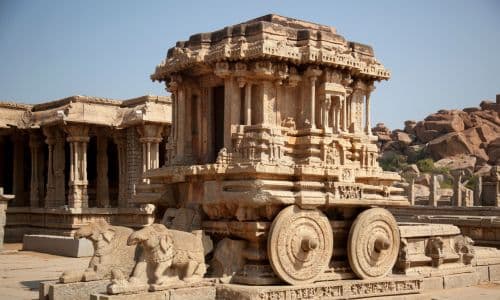
Hampi does not explain itself loudly. You must walk, observe, and imagine. An open-air museum spread across a dramatic rocky landscape, Hampi was once the capital of the powerful Vijayanagara Empire. The ruins stretch across a vast landscape—temples, markets, and royal spaces remind you how organised and prosperous this civilisation once was. Hampi teaches patience; the more slowly you explore, the more meaningful it becomes. Key highlights include the Virupaksha Temple, the Stone Chariot, and the Vittala Temple.

Ajanta & Ellora CavesTop rated
5

Ajanta & Ellora Caves

Thinking beyond tools—ancient rock-cut art

These caves were carved without modern machinery, yet they show engineering clarity and artistic depth. Ajanta is famous for its Buddhist cave paintings that communicate emotion and storytelling, while Ellora showcases Buddhist, Hindu, and Jain caves side by side, reflecting religious harmony in ancient India. These caves show that Indian heritage is not primitive; it is intellectually advanced. The Kailasa Temple at Ellora is the largest monolithic rock-cut structure in the world, carved from a single rock.

Khajuraho Group of MonumentsTop rated
6

Khajuraho Group of Monuments

Where life, spirituality, and art meet

Khajuraho is globally known for its stunning temples adorned with intricate carvings. Beyond the popular narratives, these temples reflect everyday life, spirituality, and artistic freedom of ancient India. The temples present life honestly—spiritual, emotional, and physical without dividing them. The carvings are detailed, balanced, and intentional, reflecting a society secure enough to accept all aspects of human life without fear or apology. The Western Group of Temples is the main highlight.

Konark Sun TempleTop rated
7

Konark Sun Temple

Intelligence in design—a chariot for the Sun God

Konark was designed with astronomy in mind. This 13th-century temple is designed as a massive stone chariot dedicated to the Sun God. The wheels of the temple function as sundials, and the orientation matters. Even in ruins, the temple communicates clarity of thought, reminding us that ancient India respected science as much as spirituality. Every wheel, wall, and sculpture tells a story of ancient engineering excellence and artistic mastery.

MahabalipuramTop rated
8

Mahabalipuram

Heritage by the sea—rock-cut and monolithic temples

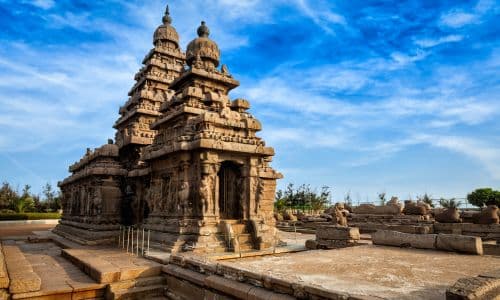
Mahabalipuram reflects India's connection with the ocean. A prosperous port city in the 7th-8th centuries under the Pallava dynasty, it features a collection of 40 rock caves and Hindu temples painstakingly hand-carved out of the Coromandel Coast. The Shore Temple and stone reliefs highlight maritime trade, religious expression, and artistic confidence. Don't miss the open-air Descent of the Ganges relief, a piece of art that tells the Hindu origin story of India's sacred River Ganges.

Red FortTop rated
9

Red Fort

Layers of power—from empire to democracy

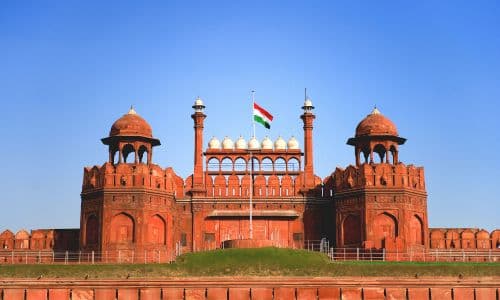
The Red Fort is not just Mughal architecture. It represents changing authority—from empire to democracy. Built in the mid-17th century by Mughal emperor Shah Jahan, this red-sandstone fortress was constructed to mark the shift of the capital city from Agra to Delhi. Protected by imposing 2.5-kilometre walls, the Red Fort is one of India's finest examples of Mughal architecture, combining Persian, Hindu, and Timurid design. India first celebrated its independence here on 15th August 1947, an event still commemorated today.

Nalanda MahaviharaTop rated
10

Nalanda Mahavihara

Ancient seat of learning and Buddhist heritage

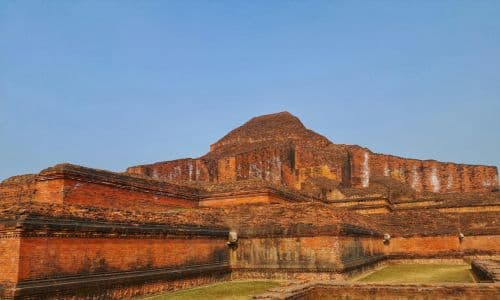
Nalanda Mahavihara was a renowned Buddhist learning center founded by Kumaragupta I in the 5th century. It flourished for centuries under royal patronage, attracting scholars from across Asia, before being destroyed during invasions around 1200 CE. The ruins of this ancient university reflect India's deep intellectual and spiritual traditions, making it one of the most significant archaeological sites in the country.